 GarageCalc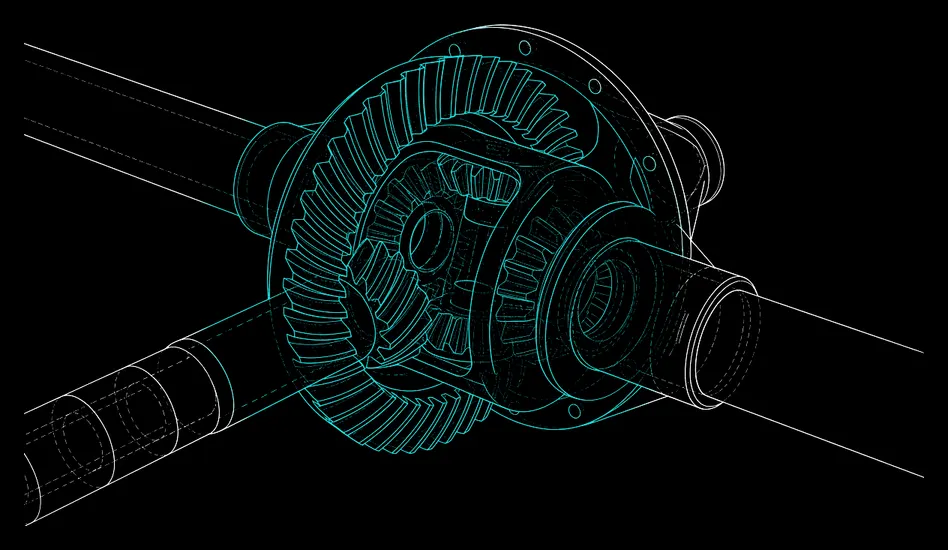
The formula
Engine RPM = (speed x transmission ratio x axle ratio x 336) / tire diameter in inches. The 336 is a unit constant (63,360 inches per mile divided by 60 minutes, divided by pi). The same math in reverse gives speed per 1,000 RPM, a handy number for comparing gearing setups.
Note the tire diameter term: this is why fitting 35s on a truck geared for 32s makes it feel sluggish. The taller tire cuts RPM at every speed, moving the engine out of its torque band. Check the exact diameter change with the tire size comparison calculator and, if you tow, remember taller tires also reduce effective pulling power at the wheels (see our towing capacity guide).
Typical axle ratios
| Ratio | Character | Typical use |
|---|---|---|
| 3.08 - 3.42 | Tall (economy) | Highway cruisers, half-ton trucks without tow packages |
| 3.55 - 3.92 | Balanced | Most trucks and SUVs, common tow package ratios |
| 4.10 - 4.56 | Short (torque) | Max tow packages, off-road builds, larger tires |
| 4.88 - 5.38 | Very short | Rock crawlers, 37s and larger tires |
Frequently asked questions
How do I calculate my gear ratio from the ring and pinion?
Divide the number of teeth on the ring gear by the number of teeth on the pinion gear. A 41-tooth ring with an 11-tooth pinion gives 41 / 11 = 3.73. The second tab of this calculator does it for you.
What RPM should my engine turn at highway speed?
Most modern gas engines cruise comfortably between 1,500 and 2,500 RPM at 70 mph in top gear. Diesels sit lower, around 1,400 to 1,900 RPM. If the calculator shows you well above that, taller gearing or a taller tire would relax the engine; well below, and the engine may lug on grades.
How do bigger tires change my effective gear ratio?
A taller tire covers more ground per revolution, which lowers engine RPM at any speed: the same effect as numerically lower (taller) gears. The common fix after a tire size increase is re-gearing to a numerically higher axle ratio to restore acceleration and towing performance.
What axle ratio is best for towing?
Numerically higher ratios (4.10 versus 3.31, for example) multiply torque more, so the truck accelerates and pulls better at the cost of higher cruise RPM and slightly worse fuel economy. That is why max tow packages nearly always include a numerically higher axle.